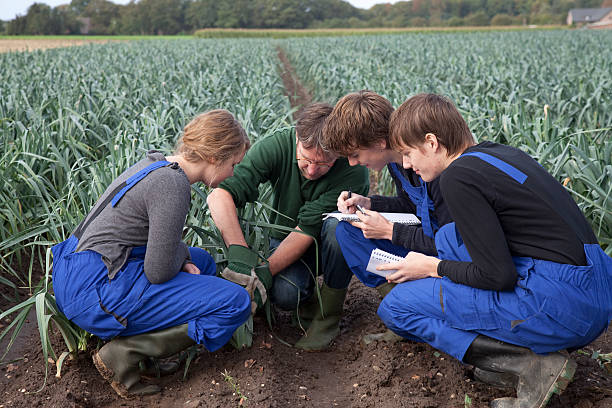
If you’re seeking a financially secure and purpose-driven career, the U.S. agricultural industry offers a wealth of opportunity. With average salaries ranging from $45,000 to $60,000 annually and strong demand for talent, agricultural jobs in America are more than just a path to employment—they can lead to long-term career growth, permanent residency, and even educational advancement through fully or partially funded scholarships.
Whether you’re a recent graduate, an experienced farm worker, or an international student hoping to break into this booming industry, there are clear routes that combine job sponsorships and academic funding to help you thrive in America.
Why Agricultural Jobs Are in High Demand
The agriculture sector in the U.S. is undergoing a significant transformation. With the rise of agri-tech, food sustainability research, and organic farming, the demand for skilled workers has increased sharply. The country is facing labor shortages in both manual and technical agricultural roles, opening doors for foreign workers and international graduates with the right credentials.
The U.S. Department of Agriculture (USDA) predicts that over 50,000 agricultural job openings will be available each year for the next decade. This includes roles in:
-
Agronomy and crop production
-
Agricultural technology
-
Livestock and dairy management
-
Environmental science and sustainability
-
Farm equipment operations
-
Food safety and supply chain logistics
These jobs often come with benefits like visa sponsorship, housing assistance, and pathways to permanent residency.
Agricultural Jobs in the U.S. Paying $60,000 or More
Here are several positions in agriculture that pay $60,000 and above annually, based on data from the U.S. Bureau of Labor Statistics and verified job platforms:
1. Agricultural Managers
-
Average Salary: $69,000–$90,000/year
-
Overview: Oversee daily farm operations, manage budgets, and ensure compliance with federal regulations.
2. Soil and Plant Scientists
-
Average Salary: $63,000/year
-
Overview: Research crop yields, test soil quality, and work on sustainable farming solutions.
3. Agricultural Engineers
-
Average Salary: $80,000/year
-
Overview: Design and develop farming equipment, irrigation systems, and technologies to improve productivity.
4. Animal Scientists
-
Average Salary: $70,000/year
-
Overview: Study livestock nutrition, genetics, and breeding to improve efficiency in dairy and meat production.
5. Agribusiness Analysts
-
Average Salary: $65,000–$75,000/year
-
Overview: Analyze market trends, manage farm finances, and optimize supply chains.
Many of these positions are open to international applicants through H-2A agricultural worker programs and employment-based visa sponsorships.
Scholarships for Agricultural Studies in the U.S.
If you’re not yet qualified for high-paying roles, the U.S. offers generous scholarships for students pursuing degrees in agriculture, environmental science, and related fields. These scholarships can reduce the cost of tuition and living expenses by over 70%.
Top Agricultural Scholarships to Apply For
1. USDA 1890 National Scholars Program
-
Value: Full tuition + room and board + internship opportunities
-
Eligible Levels: Undergraduate students
-
Coverage: For students studying agriculture at Historically Black Colleges and Universities (HBCUs).
2. National FFA Scholarship Program
-
Value: $5,000–$20,000
-
Eligibility: High school seniors entering agricultural fields
-
Highlights: Strong preference for leadership and academic performance.
3. American Society of Agronomy Scholarships
-
Value: Up to $10,000
-
Fields: Soil science, agronomy, crop science
-
Level: Undergraduate and graduate students
4. Norman Borlaug Fellowship Program
-
Value: $10,000–$15,000
-
Audience: International researchers and scientists in agriculture
-
Added Value: Includes professional mentoring and U.S.-based research.
5. International Student Scholarships at Land-Grant Universities
-
Examples:
-
University of Florida College of Agriculture: $15,000+ merit aid
-
Iowa State University: Up to $20,000 for international undergraduates
-
Cornell University College of Agriculture and Life Sciences: Need-based aid available
-
Many U.S. universities offer combined study-work programs, allowing students to gain hands-on experience while pursuing degrees.
How to Increase Your Chances
1. Prepare a Strong Application
Tailor your personal statement, resume, and recommendation letters specifically for each scholarship or job offer. Highlight leadership roles, academic achievements, and any agricultural experience.
2. Gain Relevant Experience
Volunteering on farms, internships, or participating in agricultural clubs can make your resume more attractive to both employers and scholarship committees.
3. Get Your Credentials Evaluated
International applicants should complete an educational credential evaluation (ECA) and pass an English proficiency test (like IELTS or TOEFL).
4. Look for Visa-Sponsoring Employers
Use platforms like USAJobs.gov, AgCareers.com, and Indeed.com to find verified listings with visa options.
Benefits of Combining Scholarships and Jobs
If you pursue both an agricultural scholarship and job training pathway, you can:
-
Cut your total migration cost by over 60%
-
Earn while you study (especially in states that allow off-campus work)
-
Build experience that makes you eligible for permanent employment
-
Secure a job offer before or after graduation that leads to a work visa or green card
This dual path is one of the most effective ways for international students and workers to enter and succeed in the U.S. agriculture industry.
Frequently Asked Questions (FAQs)
Q1: Can international students apply for agricultural jobs in the U.S.?
Yes, many U.S. employers offer visa sponsorships through H-2A or other employment-based programs, especially for skilled roles.
Q2: Are there fully funded agricultural scholarships in the U.S.?
Yes. Programs like the USDA 1890 Scholarship and others provide full funding, including tuition, accommodation, and living expenses.
Q3: Do I need a degree to qualify for a $60,000 agricultural job?
Not always. Some technical and farm management roles may only require certifications or experience, while others—like engineering or scientific research—require at least a bachelor’s degree.
Q4: What’s the easiest way to find U.S. agricultural scholarships?
Check university websites, USDA portals, and national scholarship databases like Fastweb, Scholarships.com, and CollegeBoard.org.
Q5: Can I work while studying agriculture in the U.S.?
Yes, international students with an F-1 visa can work part-time on campus. Some programs also allow Curricular Practical Training (CPT) or Optional Practical Training (OPT) related to their field of study.
Getting Started
The U.S. agricultural sector is a gateway to economic stability, career advancement, and educational opportunity. Whether you’re aiming for a $60,000+ salaried position or looking to secure a scholarship to get started, the routes are well-defined and accessible.
With proper planning, verified credentials, and strategic applications, you could soon find yourself in one of the most in-demand and well-supported industries in the United States.
